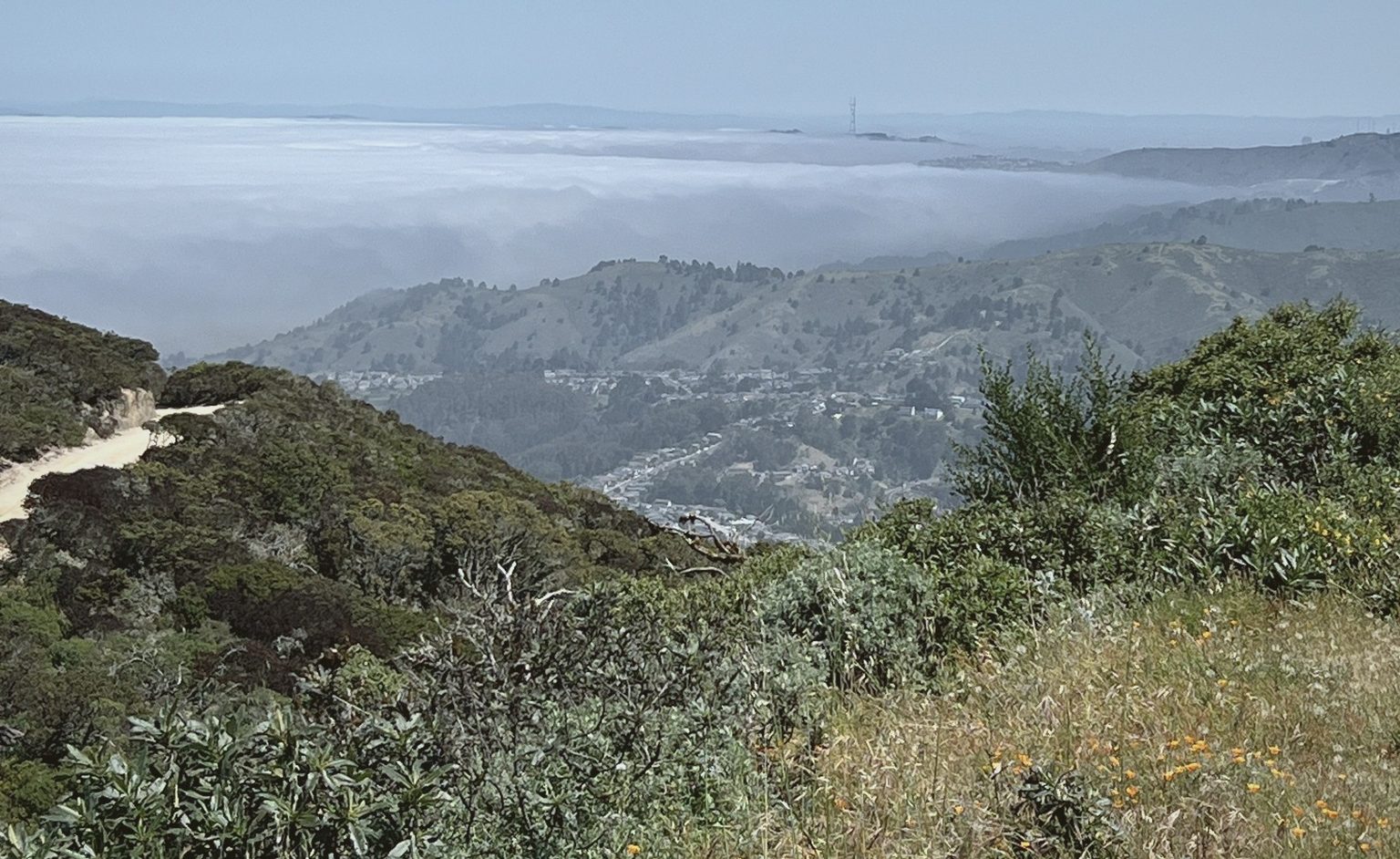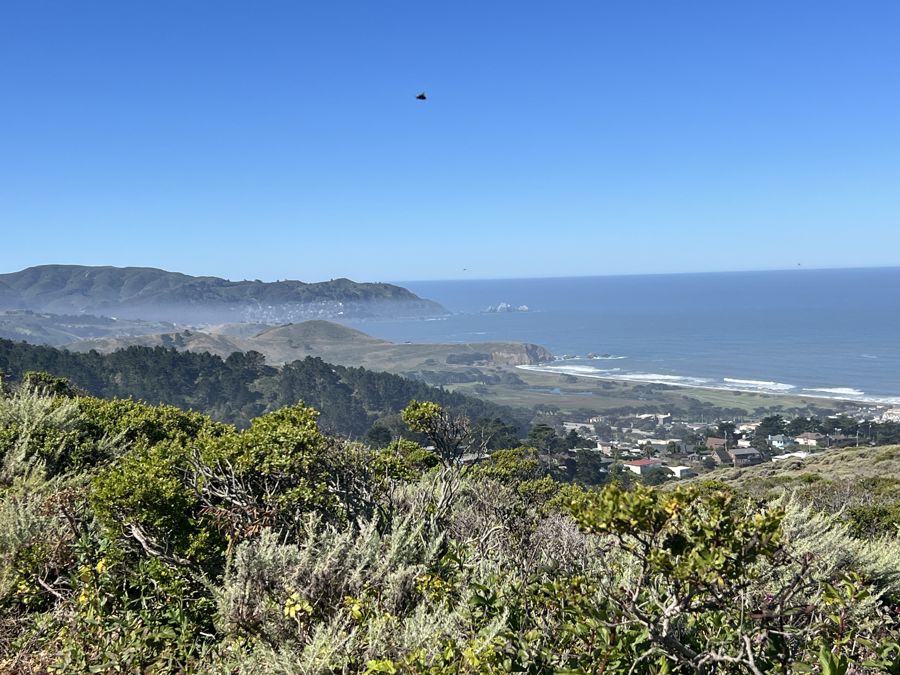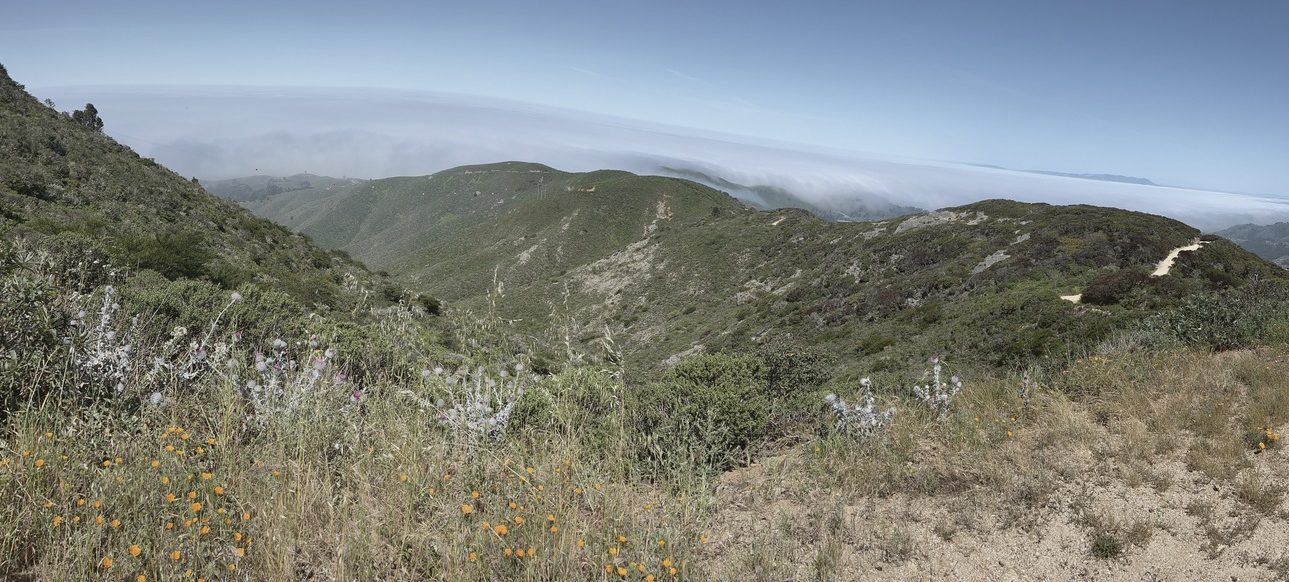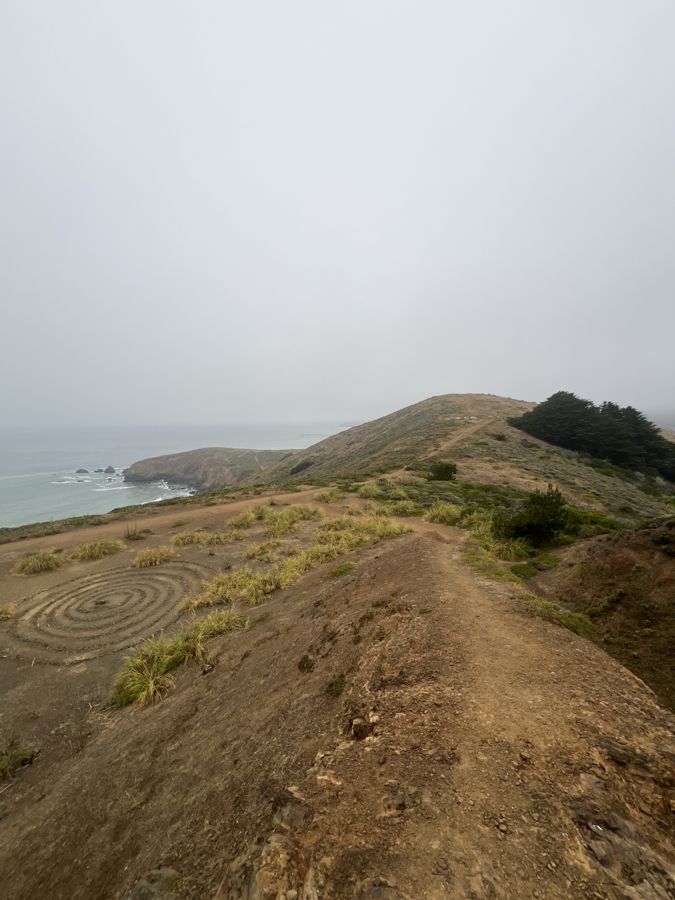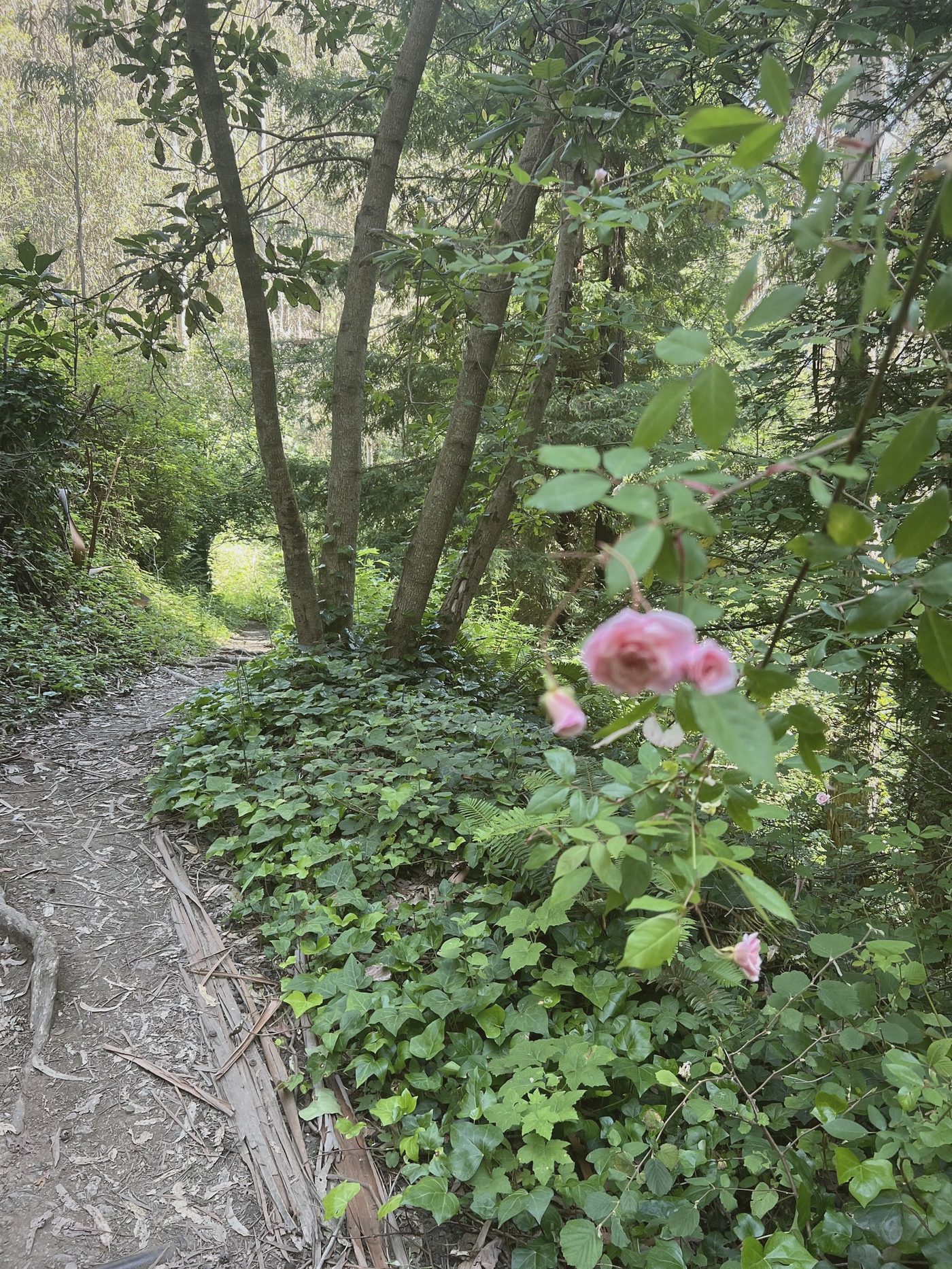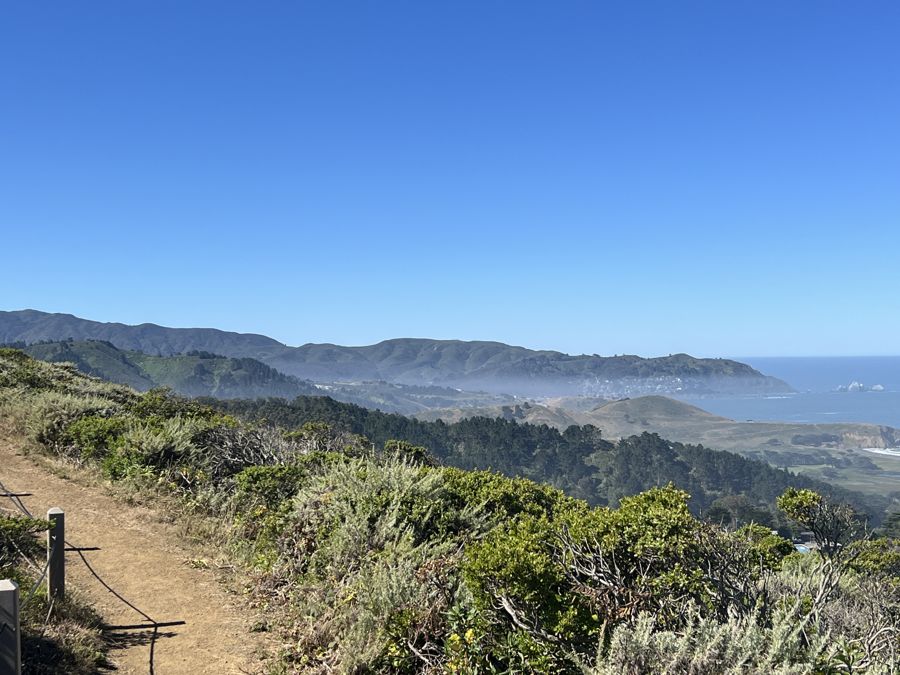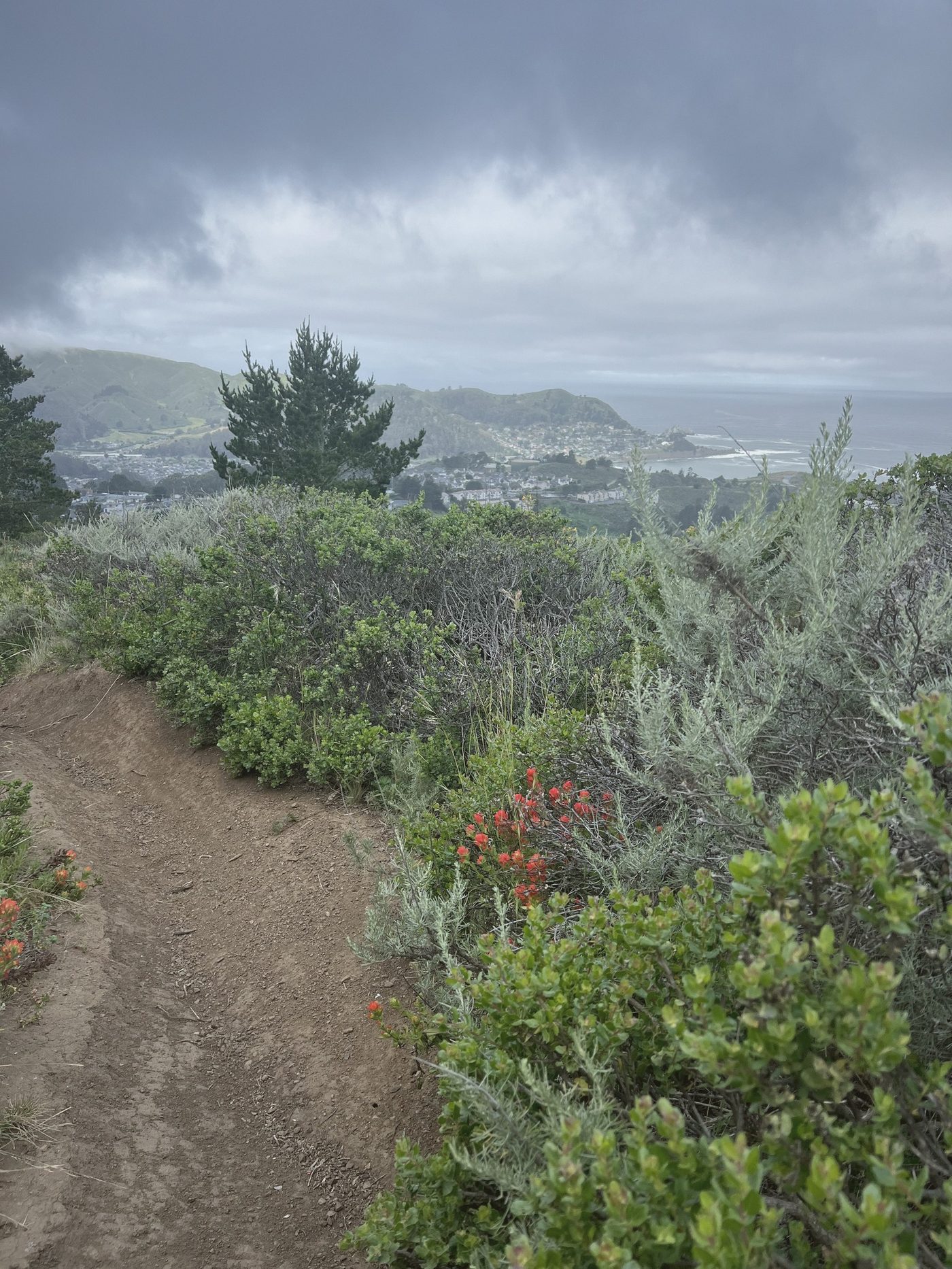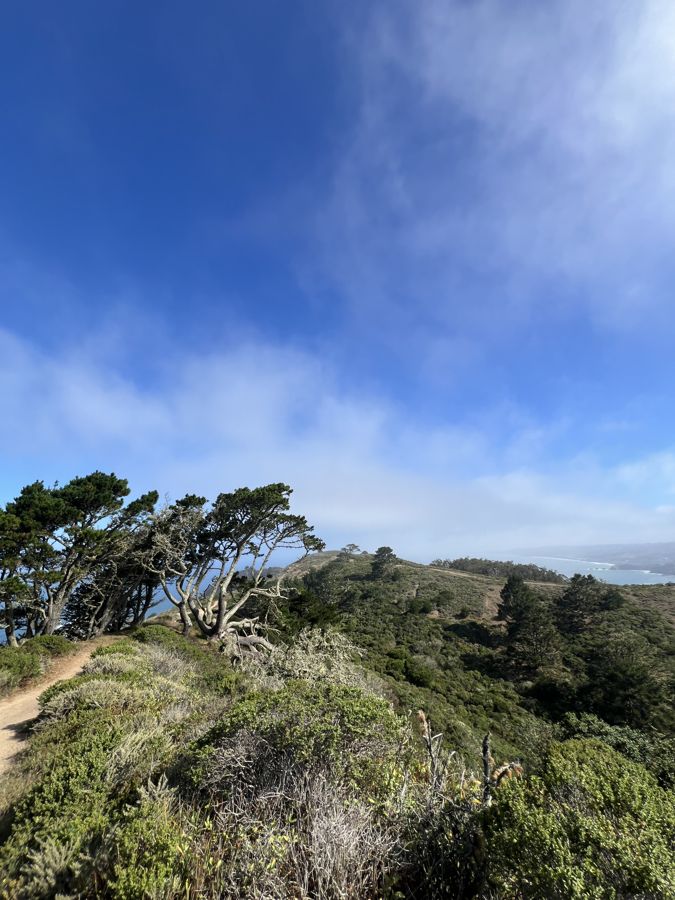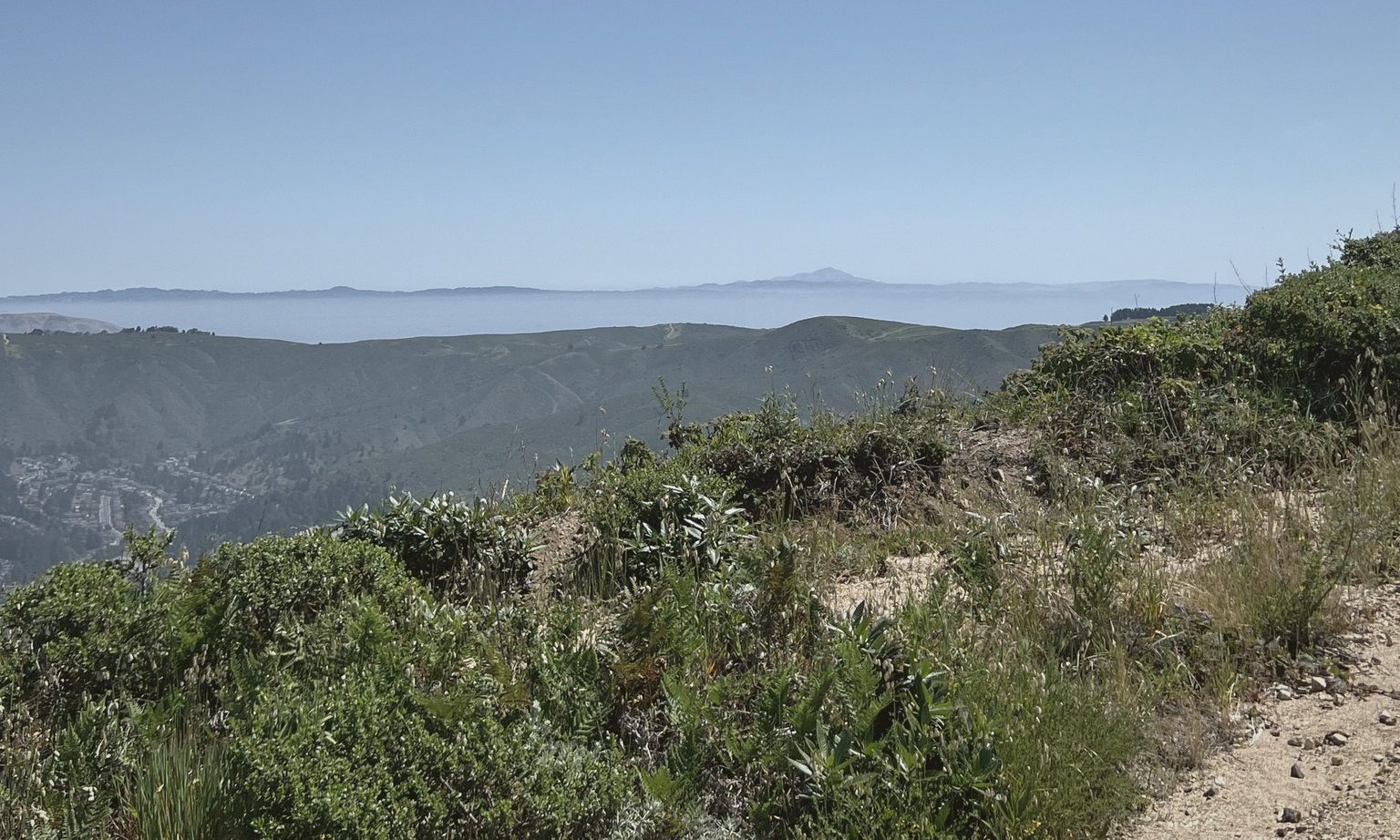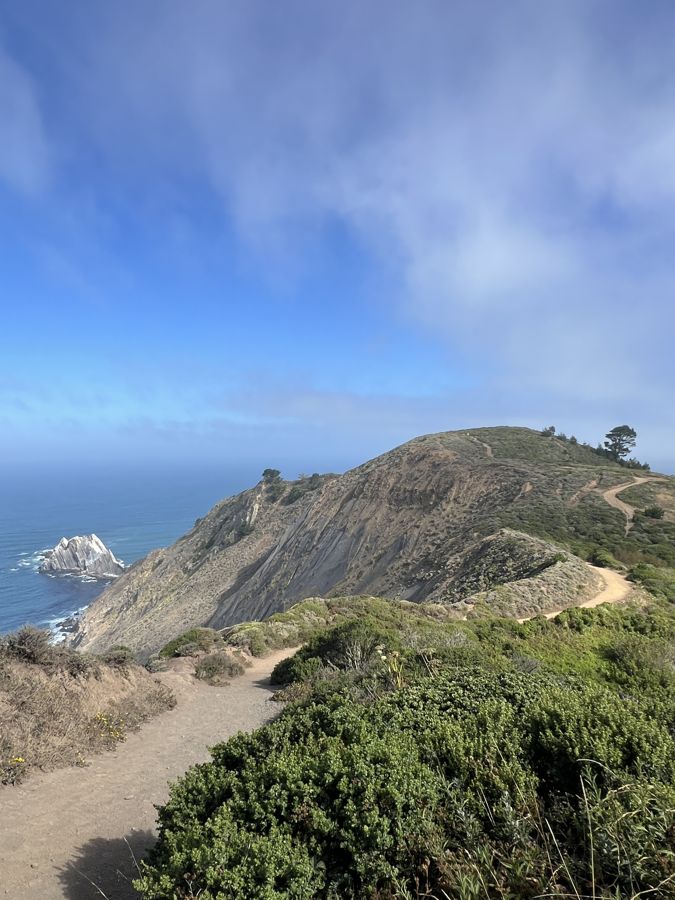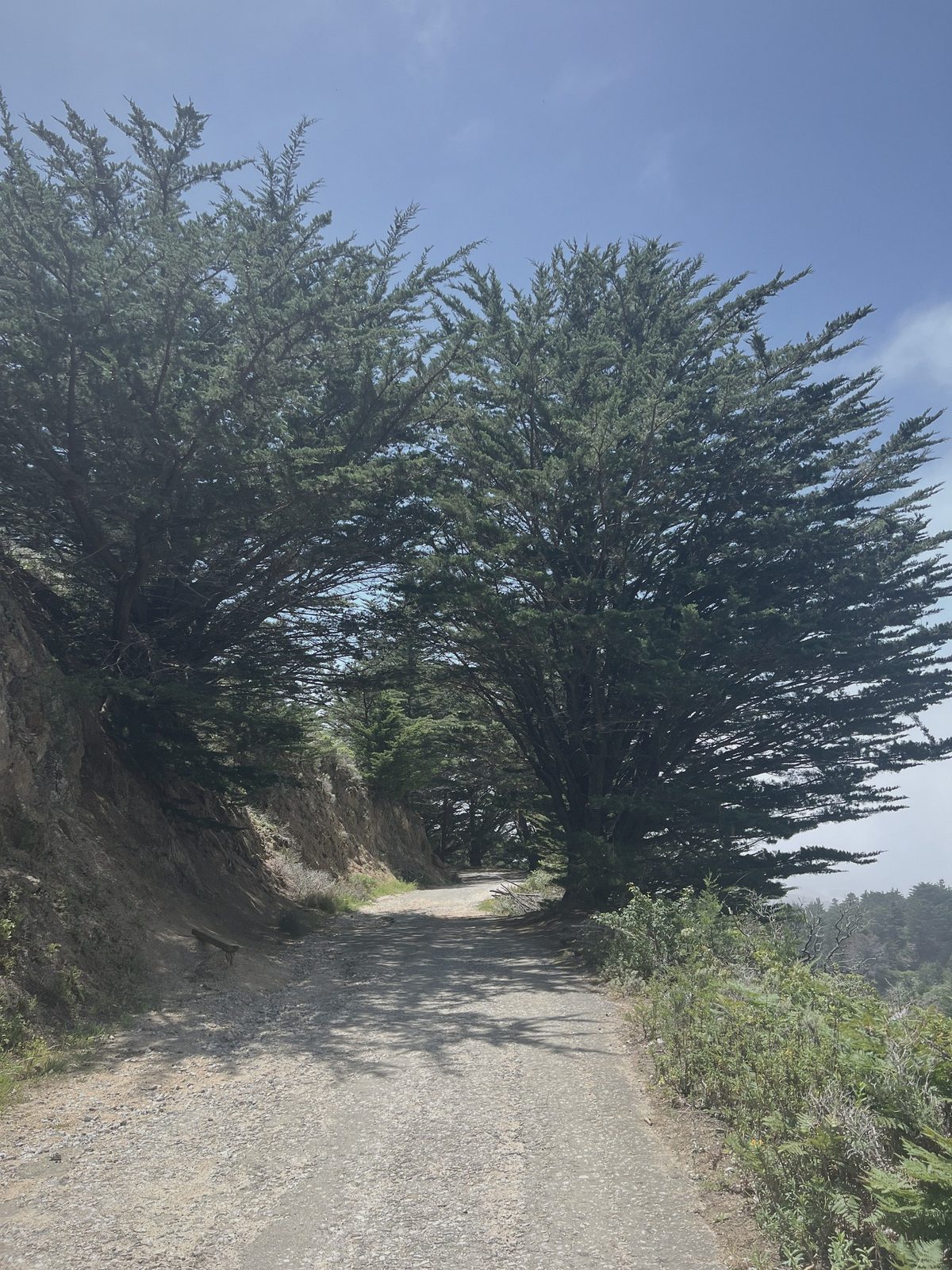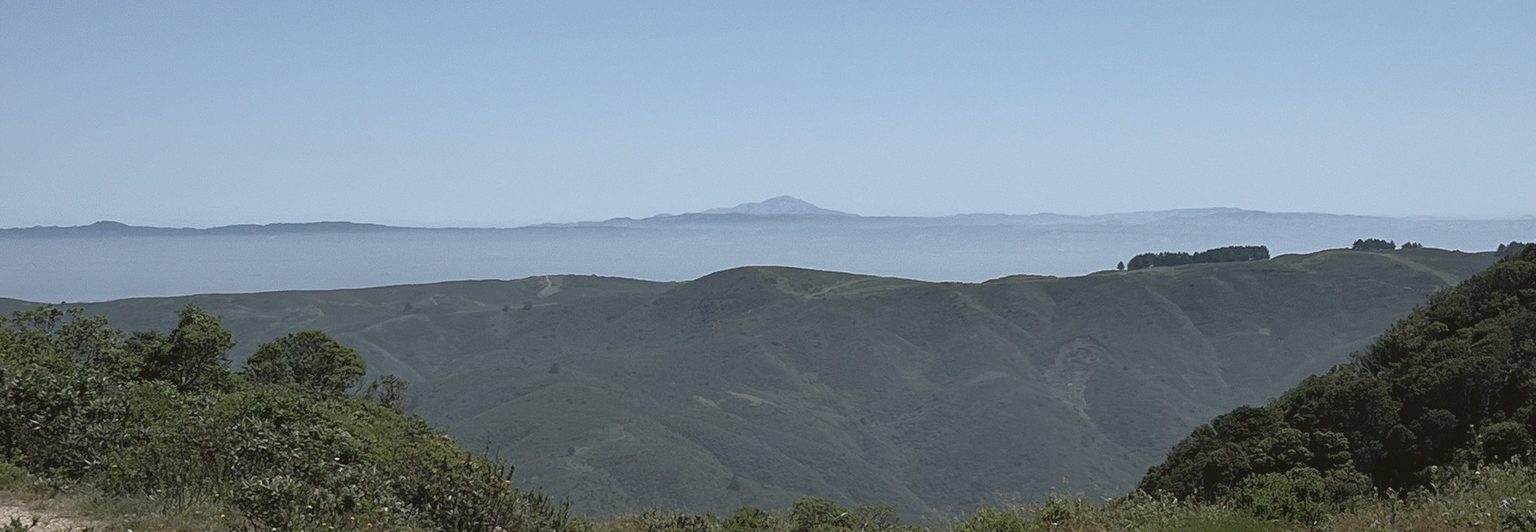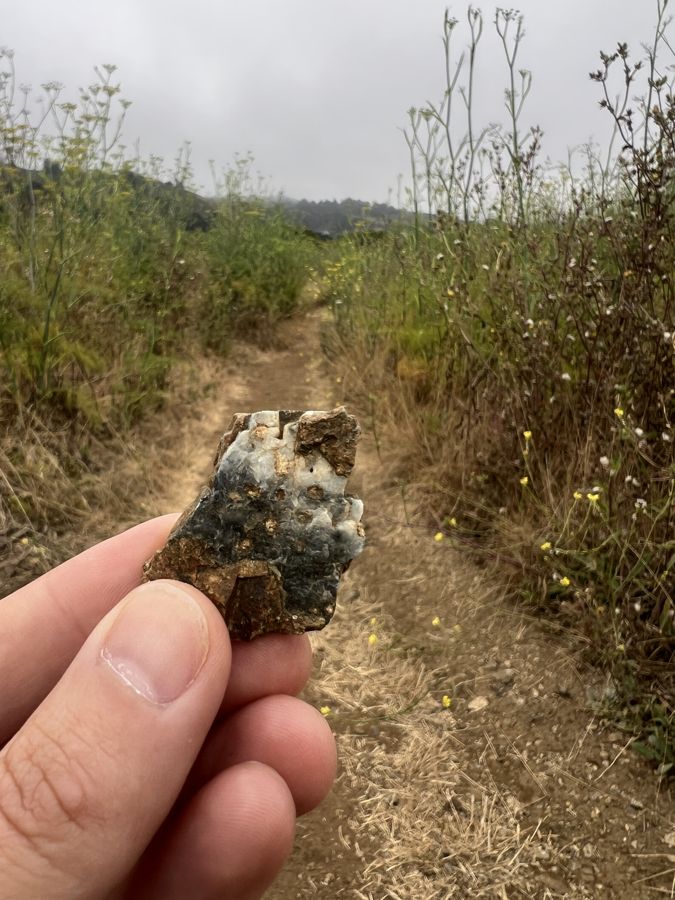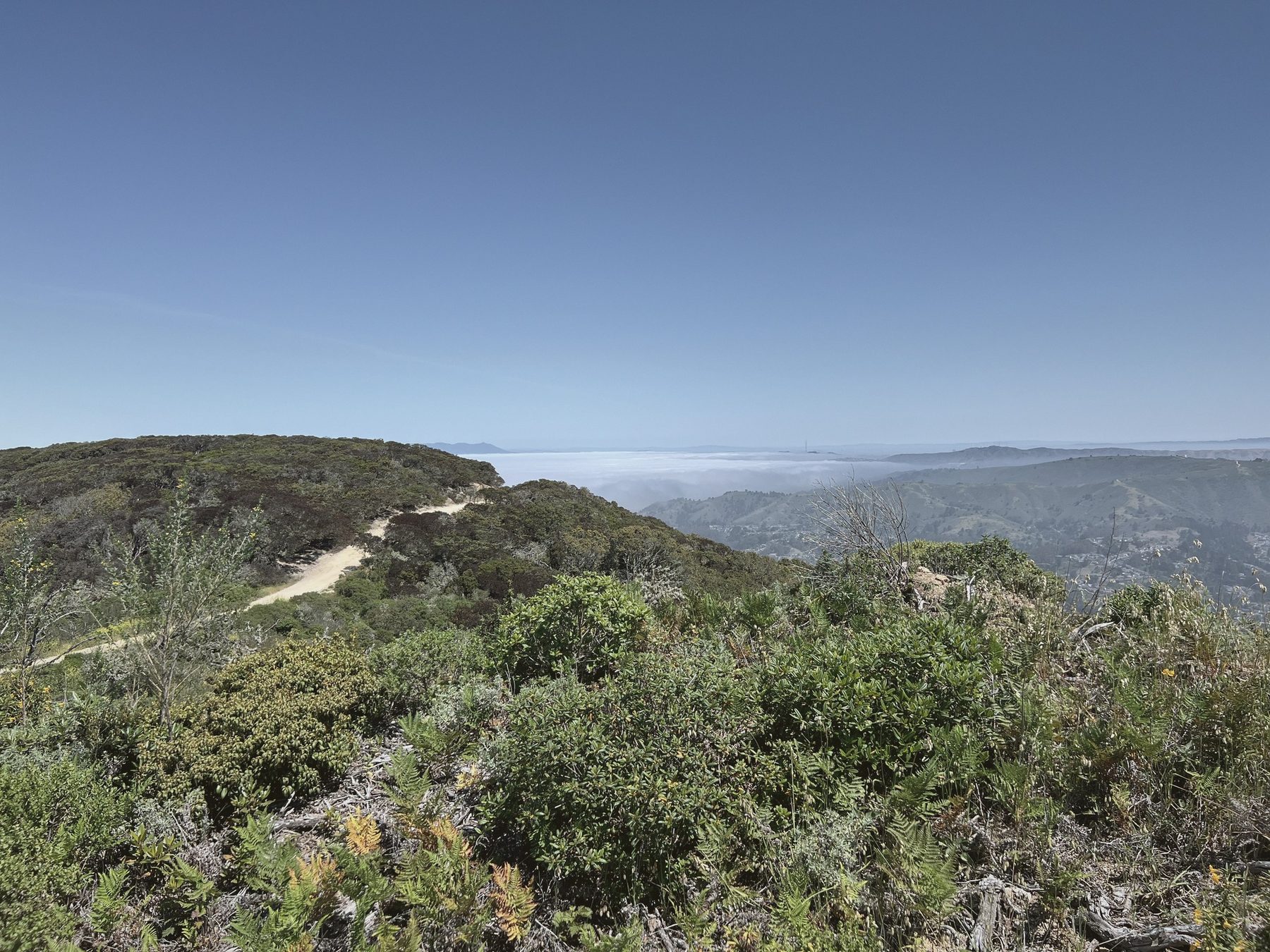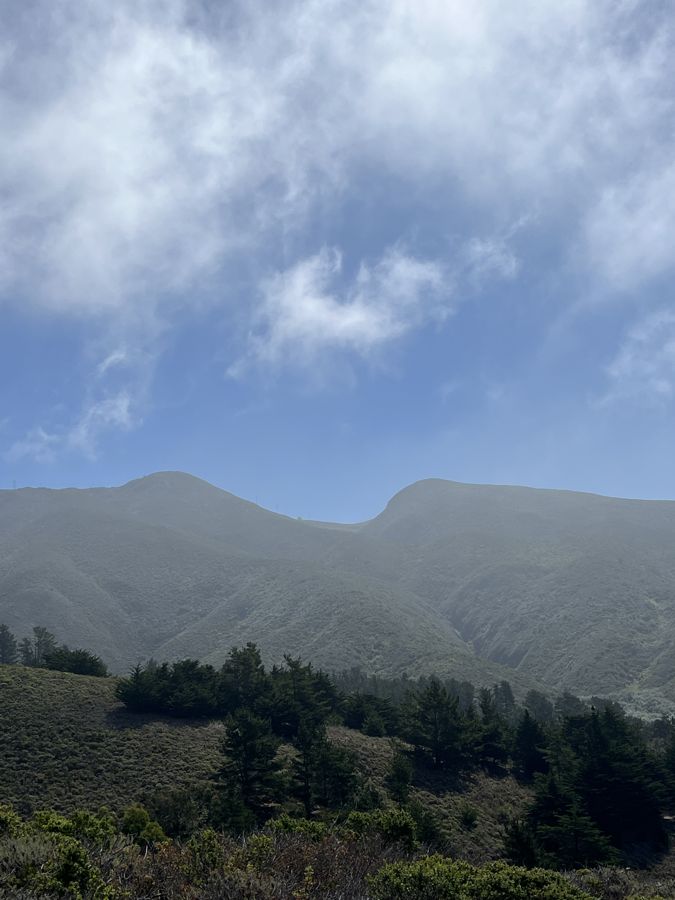
The marine layer settling over the wooded valley — Pacifica, the field engagement landscape

Most organizations entering AI transformation are asking how to deploy AI effectively. The more consequential question is what kind of leadership the transition makes necessary.

The capability it asks for is adaptability over optimization. As AI absorbs the performance layer of work, what remains irreducibly human is the adaptability layer: reading complex, ambiguous signals in real time and acting on them with full ownership before competitors have noticed they exist.

Walking in open country develops that posture. The pace quiets the mind, the senses open, and executives reach the settled clarity to act on what they already know. These engagements run half a day or longer on the Pacifica coast and the Skyline ridge, and every one of them ends in a written diagnostic.

Station 1 · Mori Point

Walking fits the decisions that matter most.

The pace of a coastal walk makes three postures available, and each one feeds the next.

01
Inspiration

From open senses and a quieted mind.

02
Radical honesty

The noise tunes out. What’s actually true surfaces.

03
Conviction

The settled clarity to act on what you already know. In as few moves as possible.

The five frameworks turn those postures into a diagnosis. The Catalyst Method →

Station 2 · San Pedro Valley Park

Five frameworks turn what you see into a decision.

Walked in one sequence. Click any station for the framework it runs.

1Signs Framework™

Activates live reading of the landscape rather than model application: the posture the rest of the sequence runs on.

Open the framework ↓
2Dynamic Capabilities

Moves each observed sign from observation to commitment, with rigor leadership will recognize.

Open the framework ↓
3Organizational Ambidexterity

Holds running today’s business and building tomorrow’s capability in one design.

Open the framework ↓
4Sensing & Responding Loop

Turns a single executive’s insight into an organizational capability.

Open the framework ↓
5The Methuselah Principle

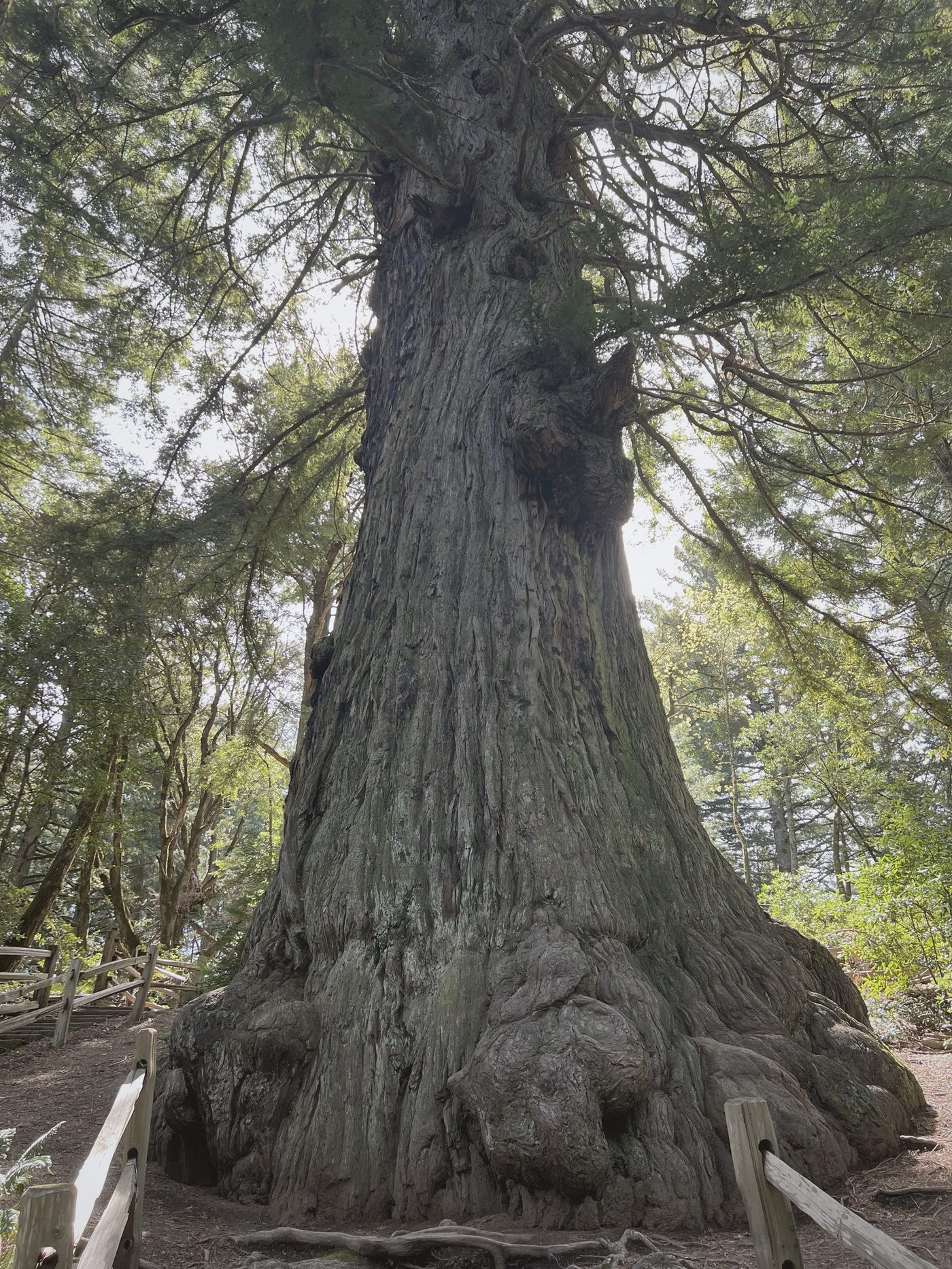
At the base of the redwood, every decision of the day is reframed against an epochal time scale.

Open the framework ↓

The full method, framework by framework →

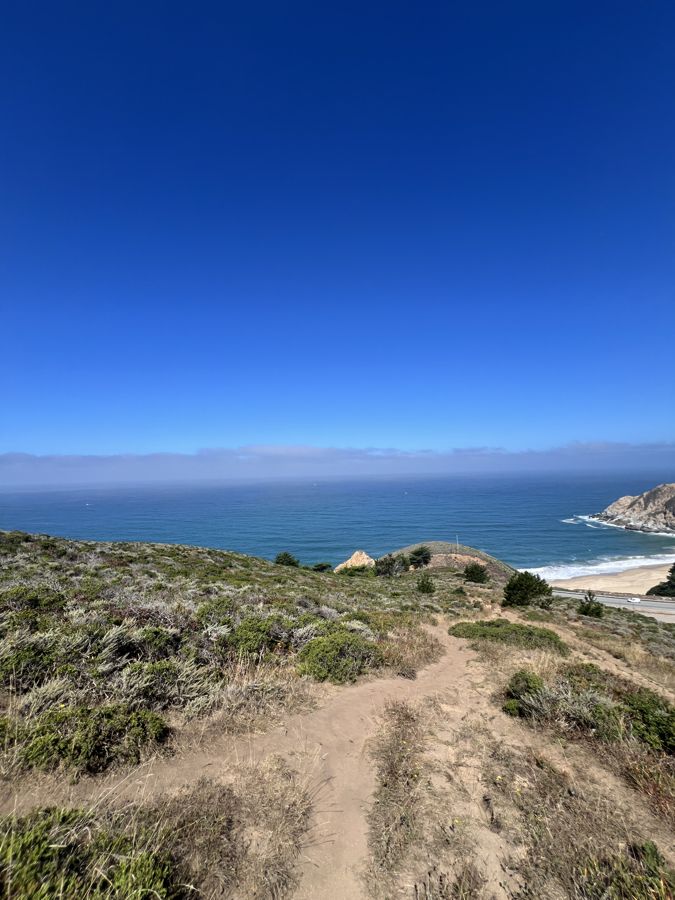
Station 3 · San Pedro Headlands · Devil’s Slide

You leave with it in writing.

Off the ridge, under the trees, the read settles into writing. Four areas, 7–10 days. Click any area to preview its shape.

The Trail DiagnosticWritten read · four areas · specific to your organization
01Named adaptive challenge

A precise, written diagnosis of the gap between your current posture and the leadership capability the AI transition demands. Specific to your organization, built from your data.

Preview the section ↓
02Organizational landscape analysis

A structured read of the signals, assets, and constraints your operating environment is already producing. What your landscape is showing you, and what it is obscuring.

Preview the section ↓
03Leverage inventory

The specific capabilities, structural advantages, and resources available to close the identified gap. An honest accounting of what is present, what is absent, and what is misallocated.

Preview the section ↓
0490-day starting roadmap

A sequenced set of first moves with clear ownership and decision points. Built so you can act while the window is open.

Preview the section ↓
Delivered in 7–10 daysGoogle Drive: documents, slides, frameworksDepth varies by tier

Findings are tied to what we saw in the field, and the moves are built for your situation. See what each tier delivers →

The engagement landscape

The method runs on real ground.

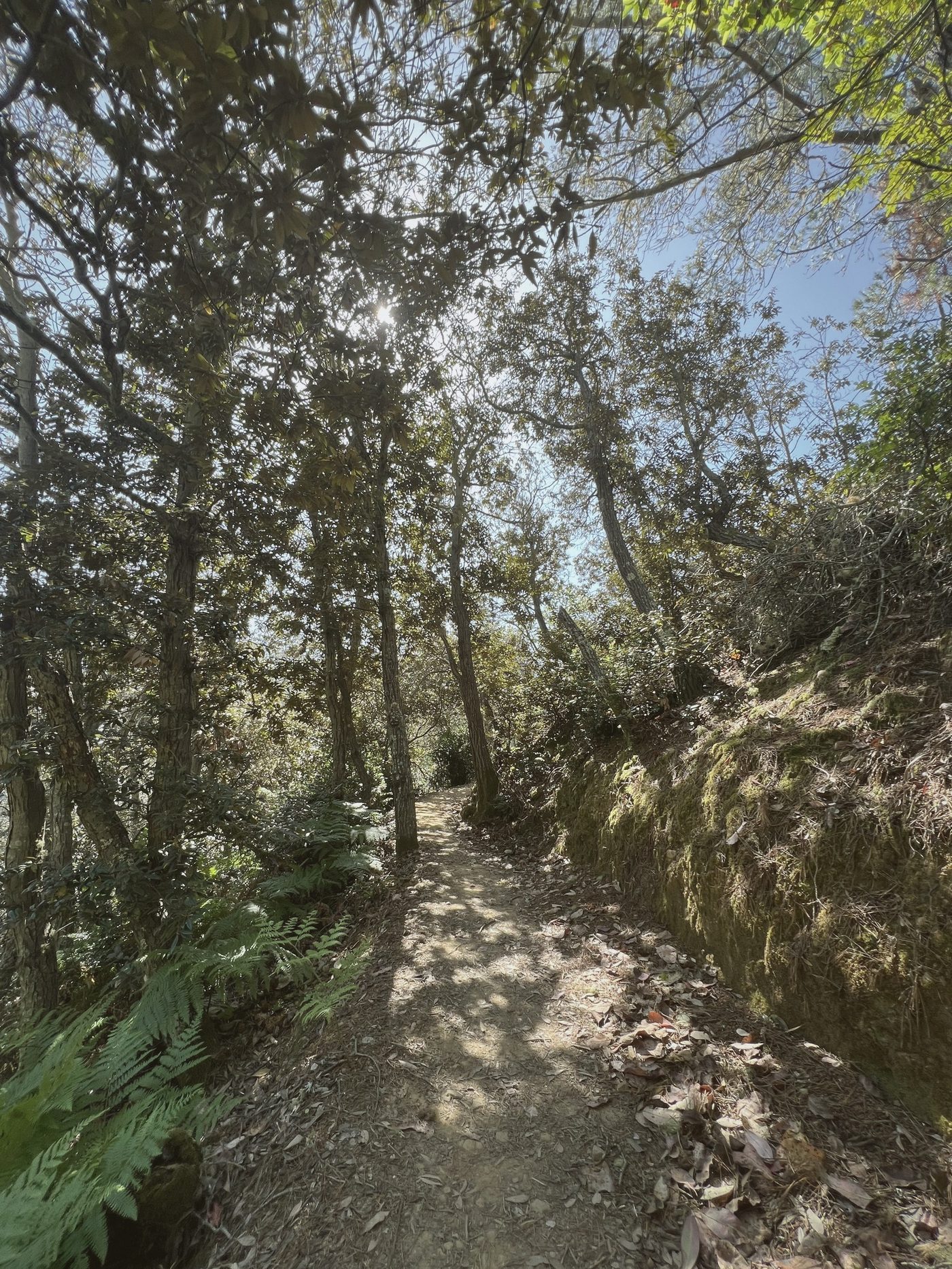
Four stations, from the Pacific coast to the Skyline ridge: Mori Point, San Pedro Valley Park, the San Pedro Headlands at Devil’s Slide, and the Methuselah grove. The pace is built for thinking, and every engagement ends in a written diagnostic. Walk the method →

The fastest way to find out if the methodology is a fit is a thirty-minute conversation.

Set sail